Windward Community College | Cultural Artifact Display
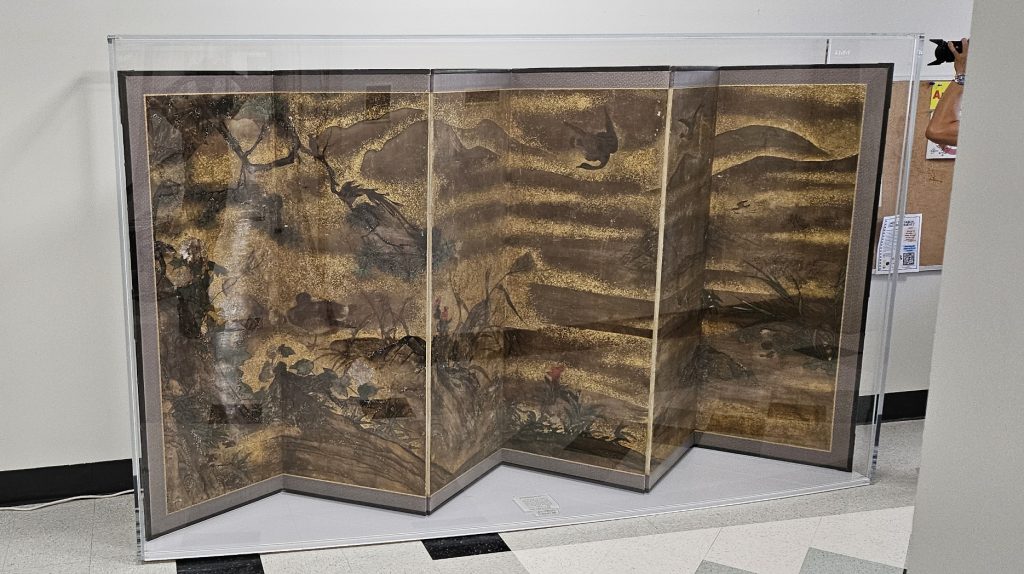
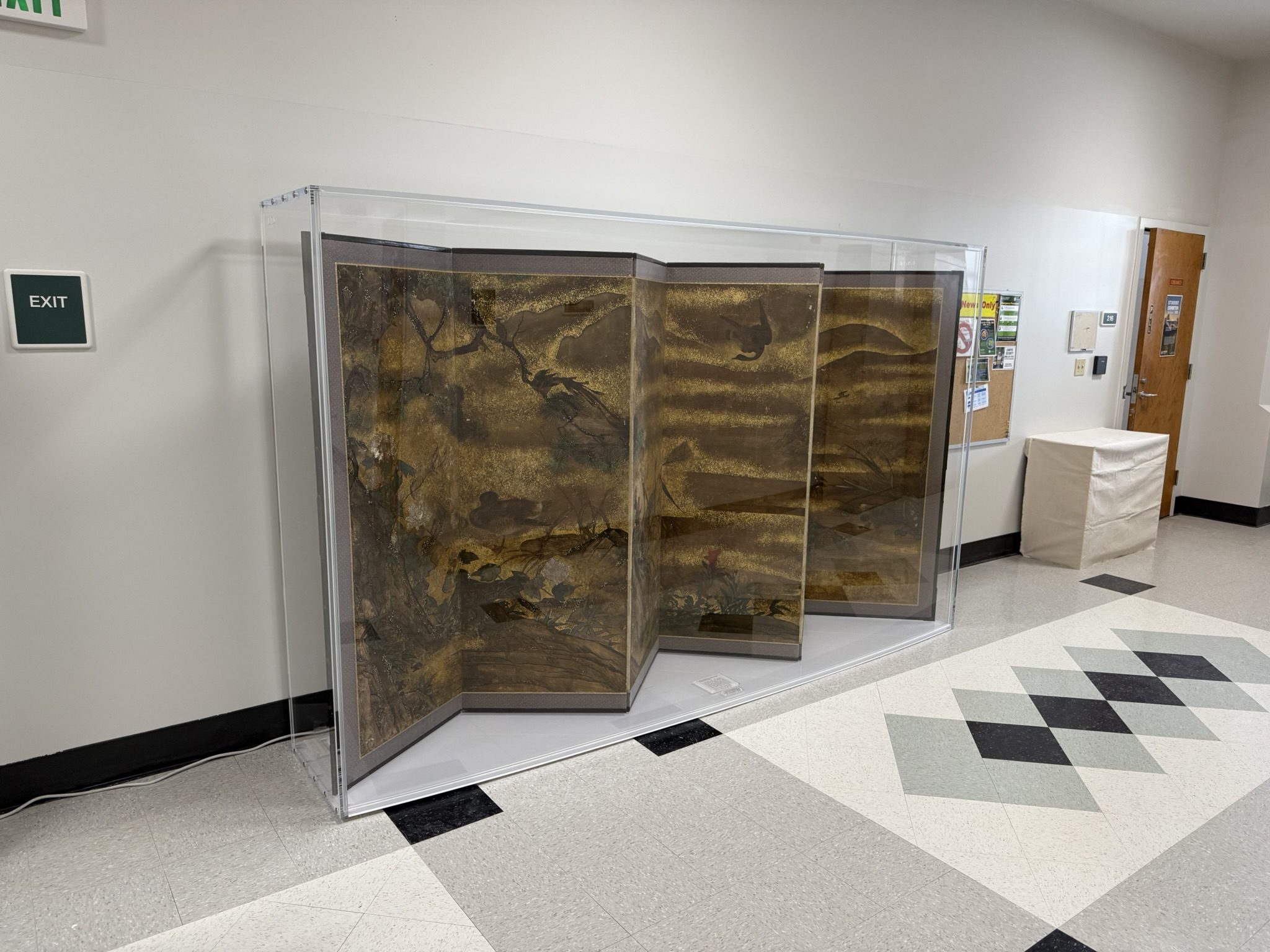
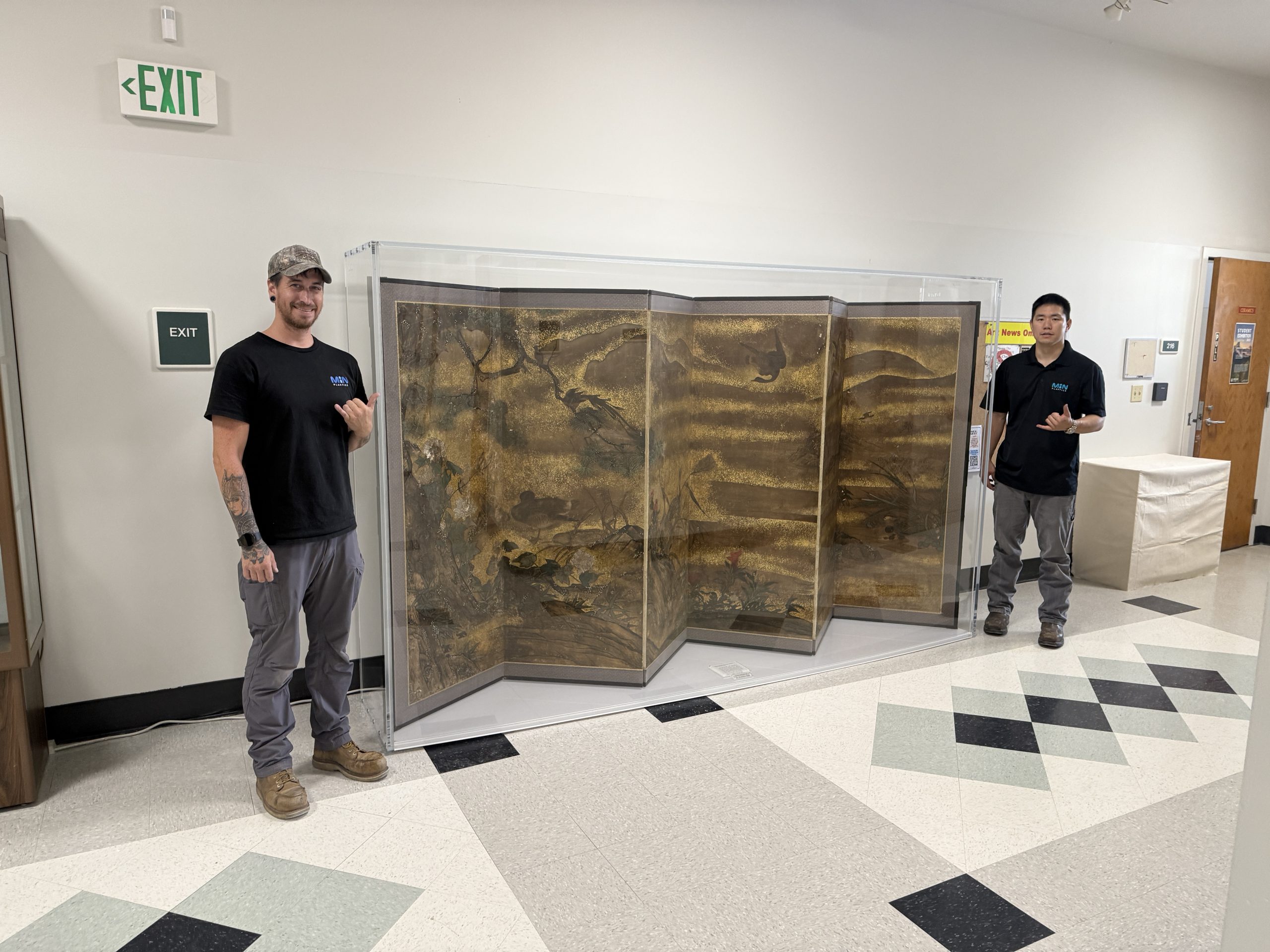
Windward Community College received a donated 17th-century Japanese folding screen that required a custom display solution within a constrained interior space. The case needed to be freestanding, could not be attached to walls, had to maintain a minimal footprint within the aisle, and could not rely on wall-mounted supports.
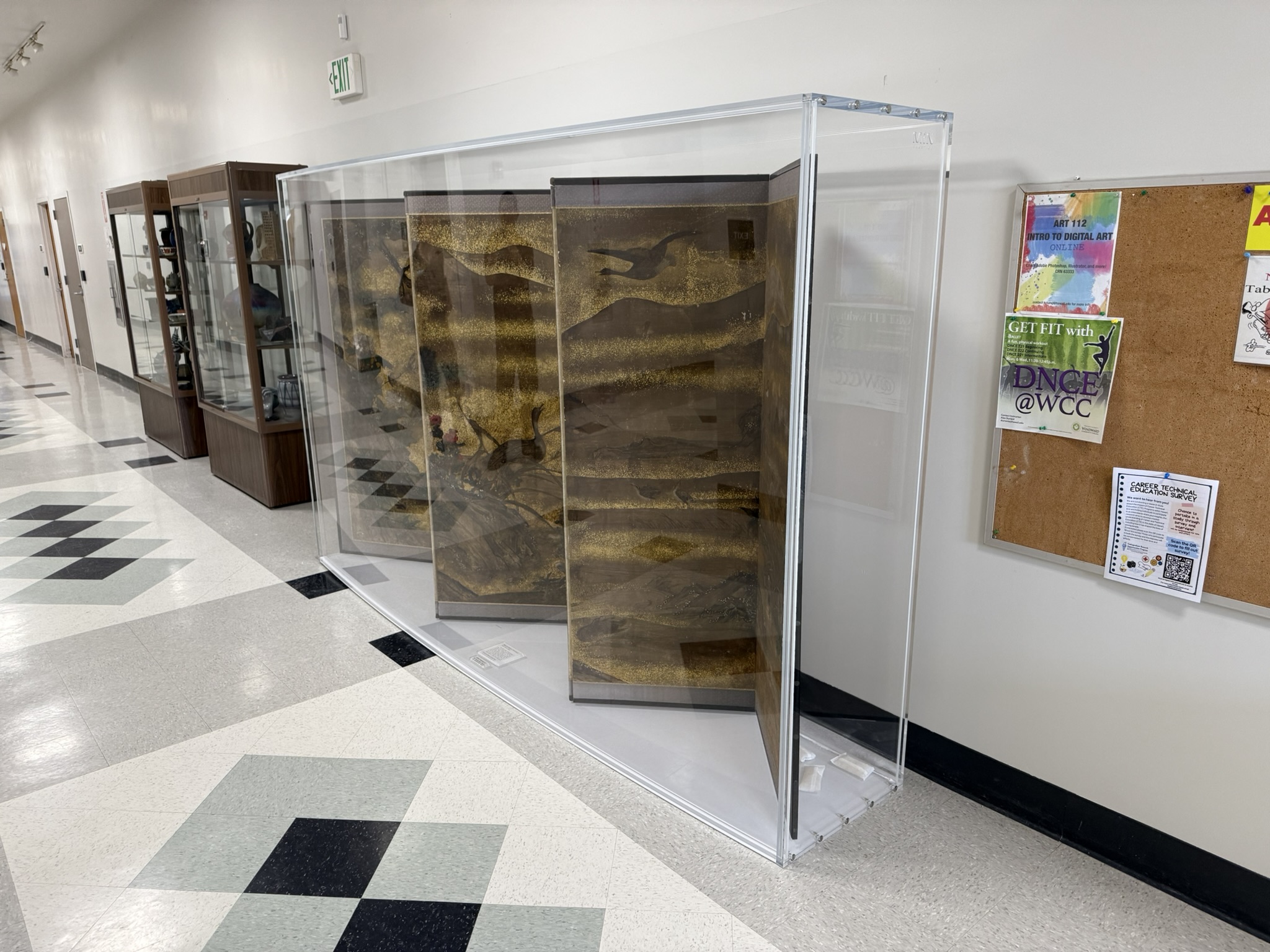
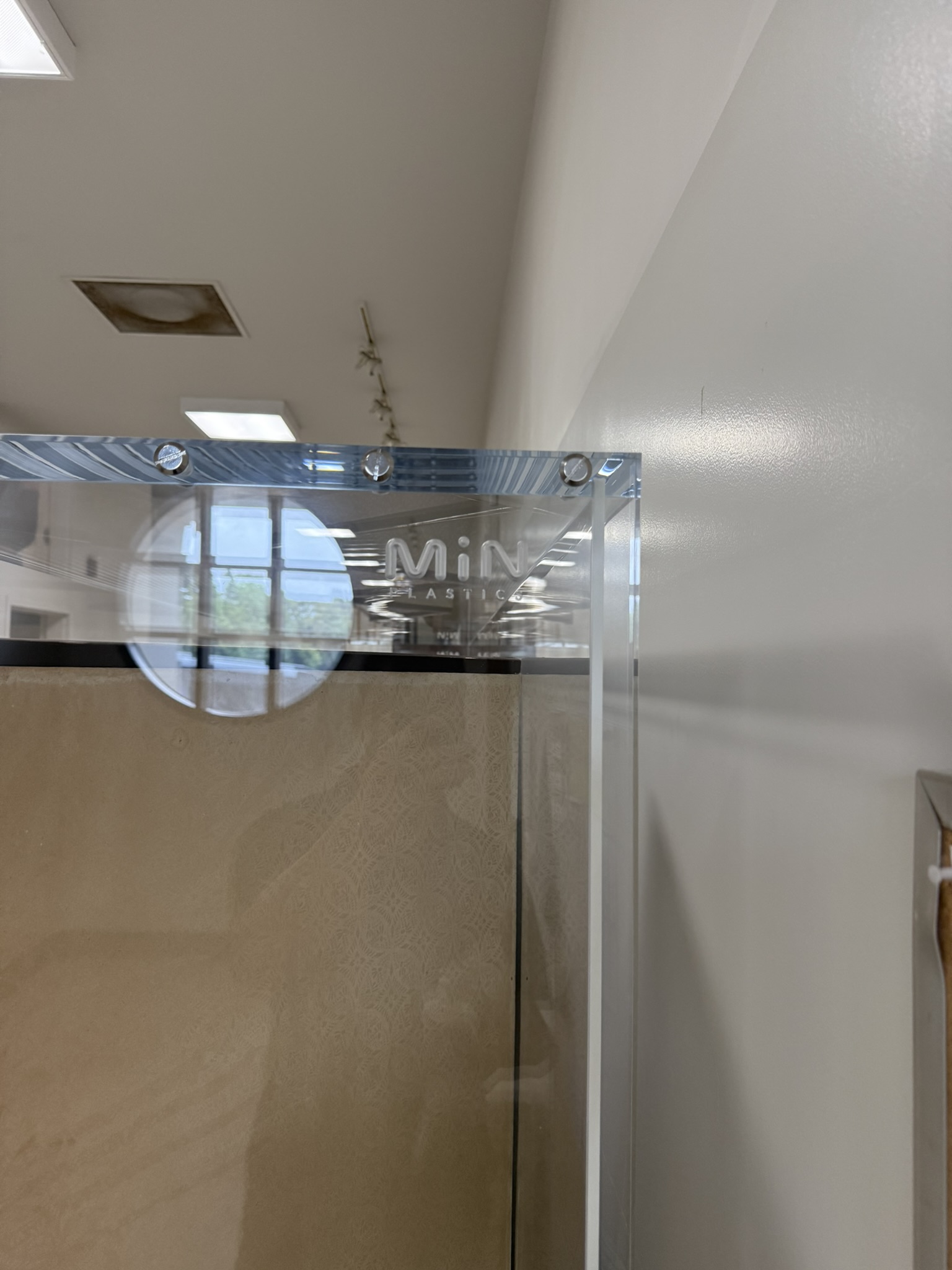
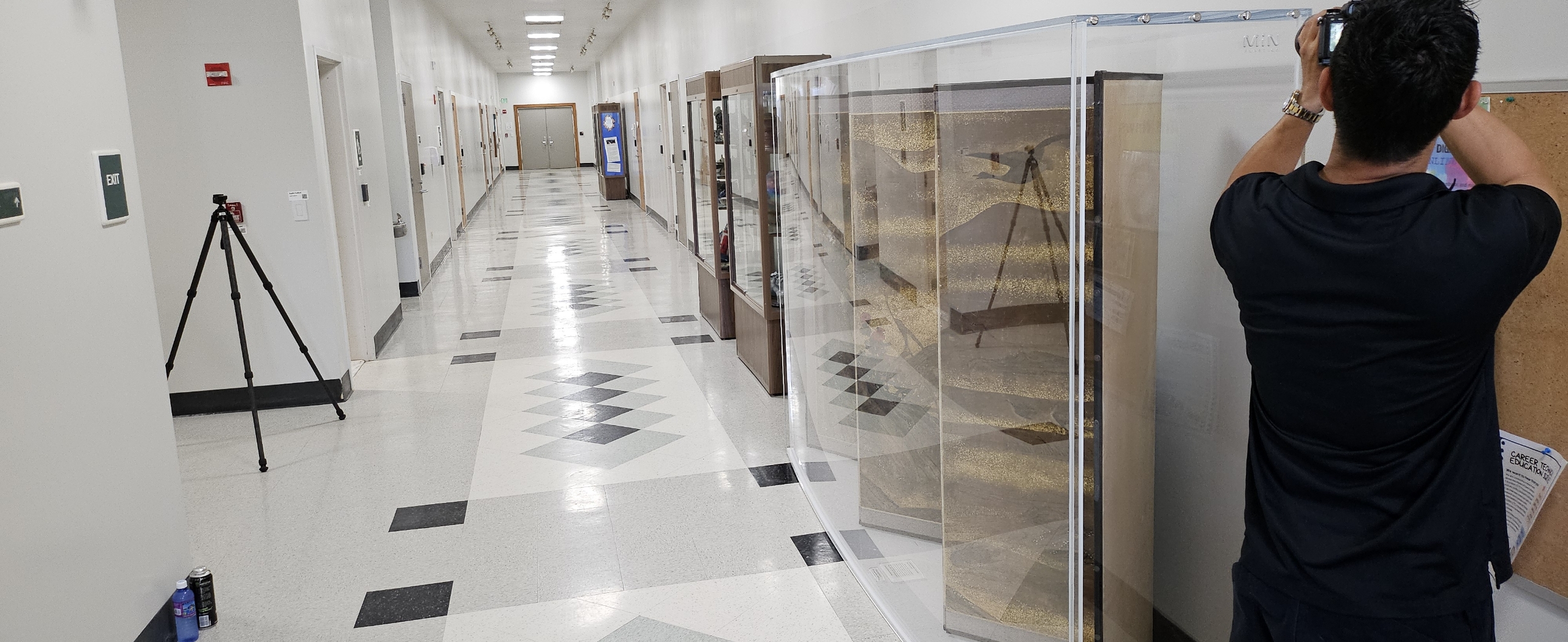
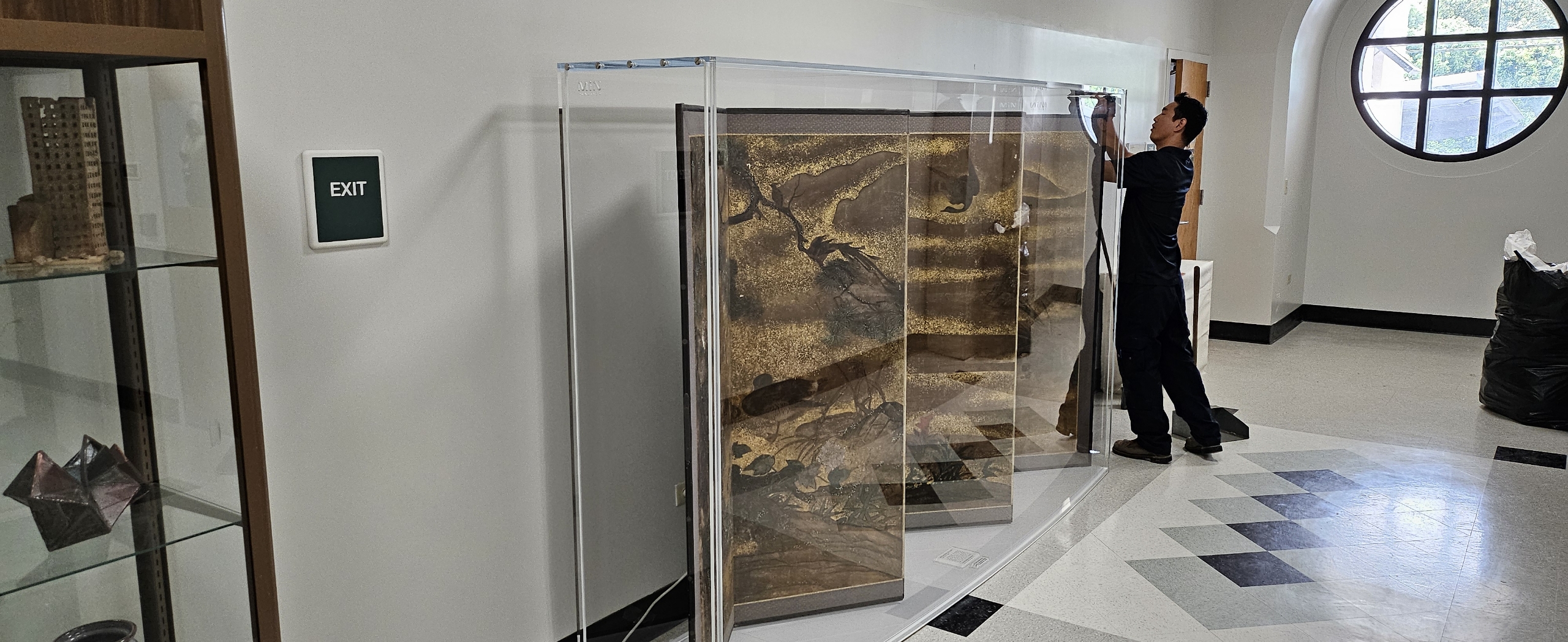
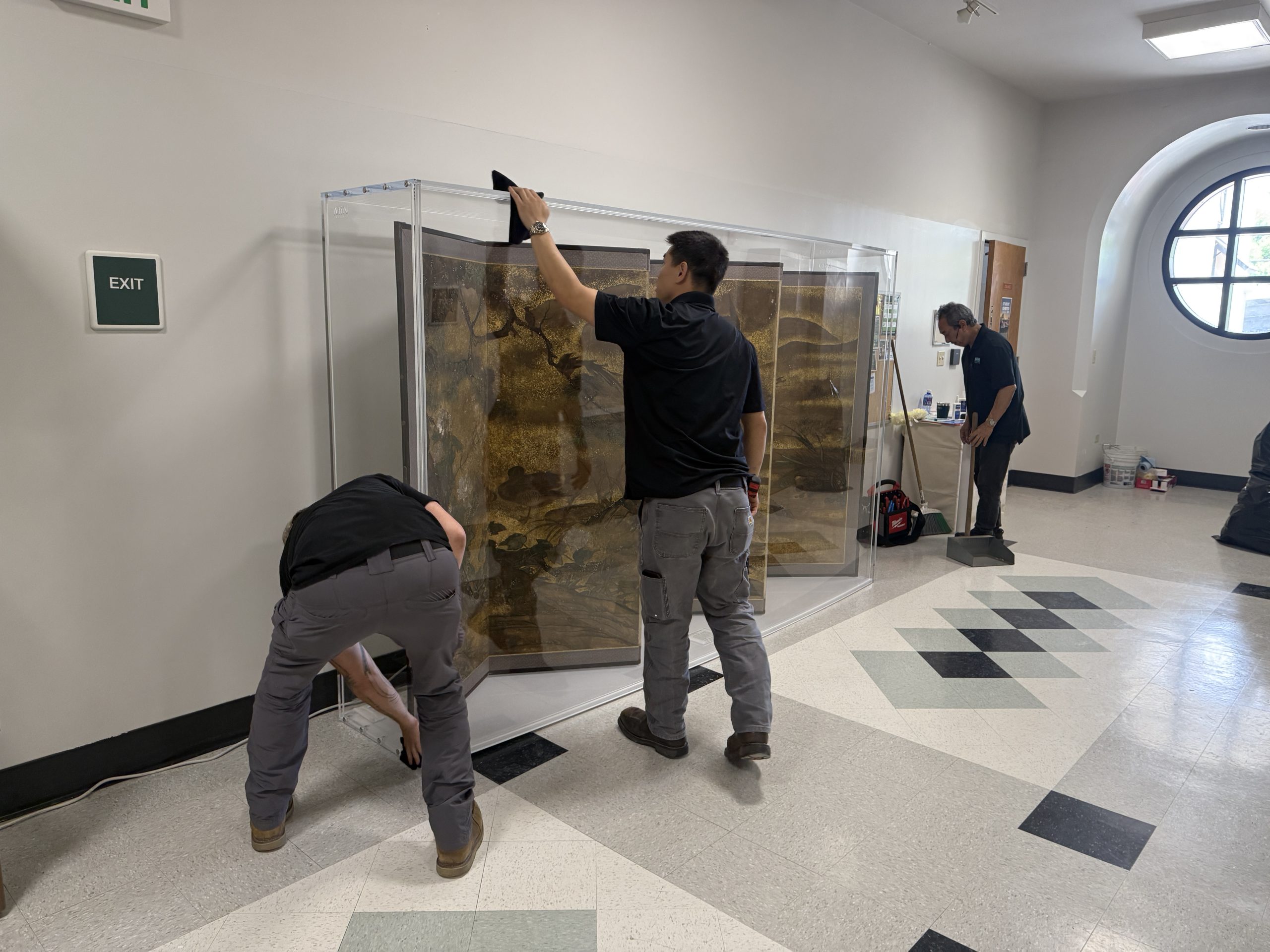
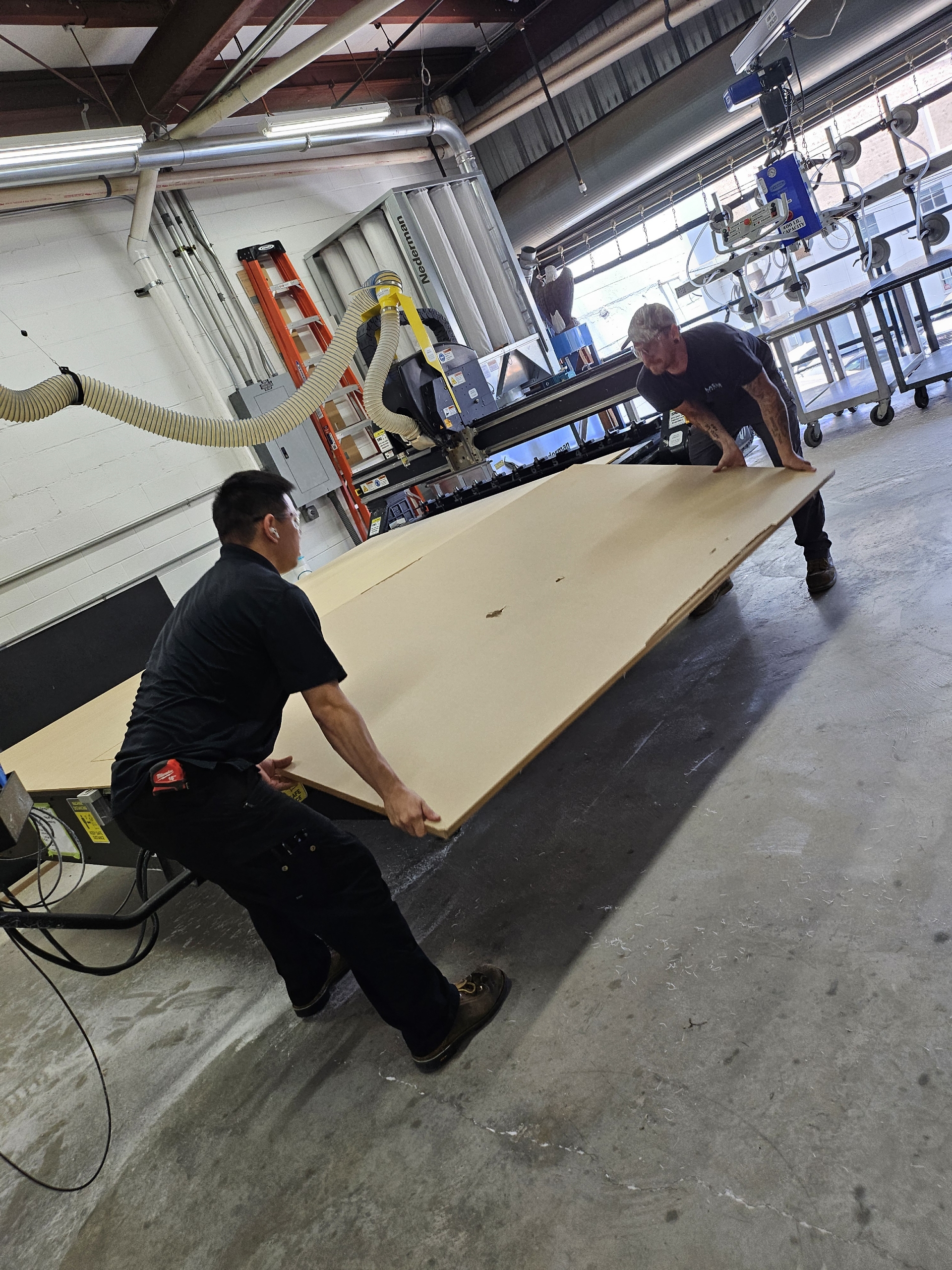
To meet these requirements, we designed a floor-mounted, freestanding acrylic display case using the largest single acrylic panel available in stock—a 6′ × 10′ sheet—as the front viewing surface. The panel was formed into a slight arc, increasing frontal rigidity while maintaining clear, unobstructed viewing of the screen.
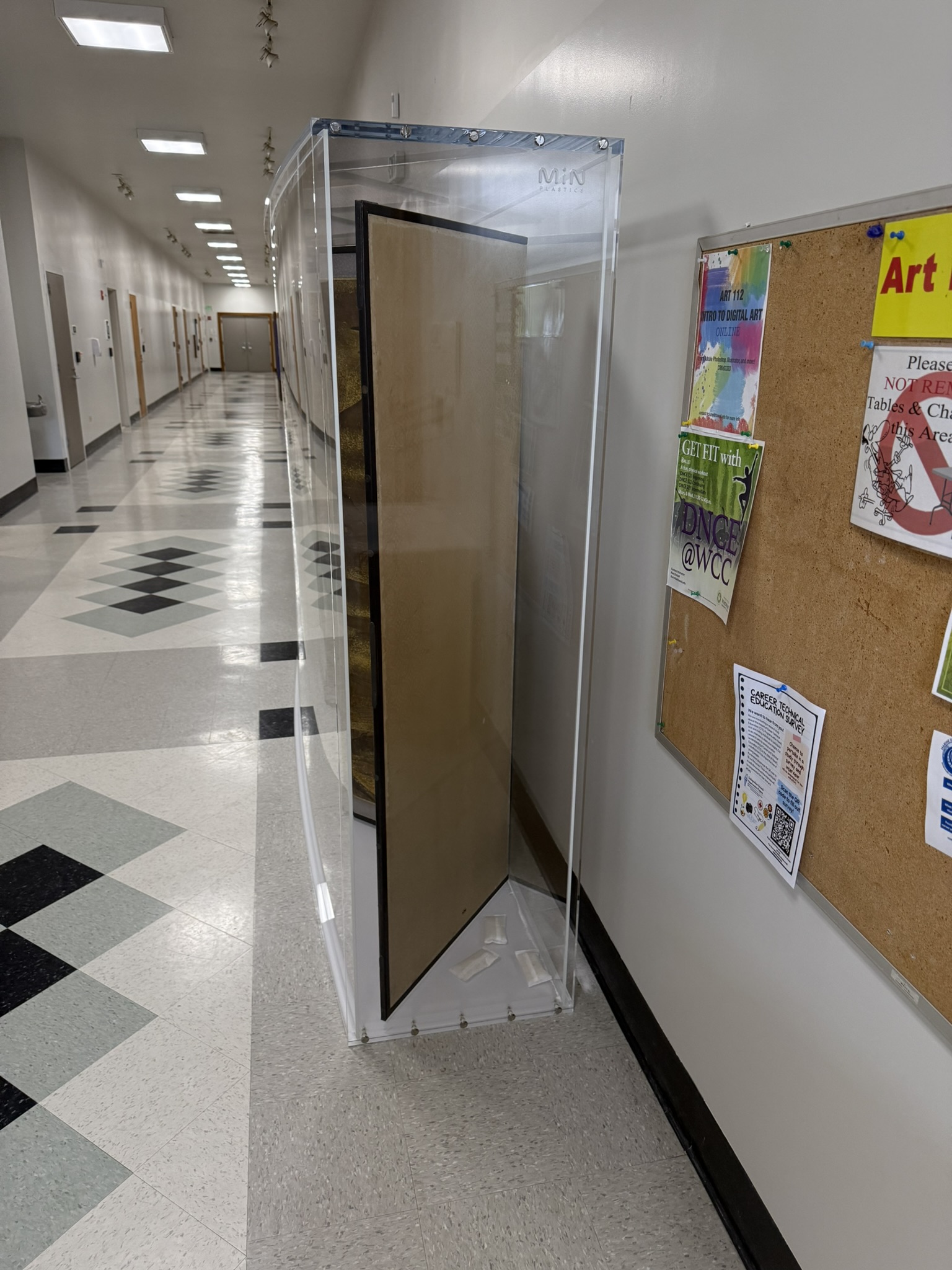
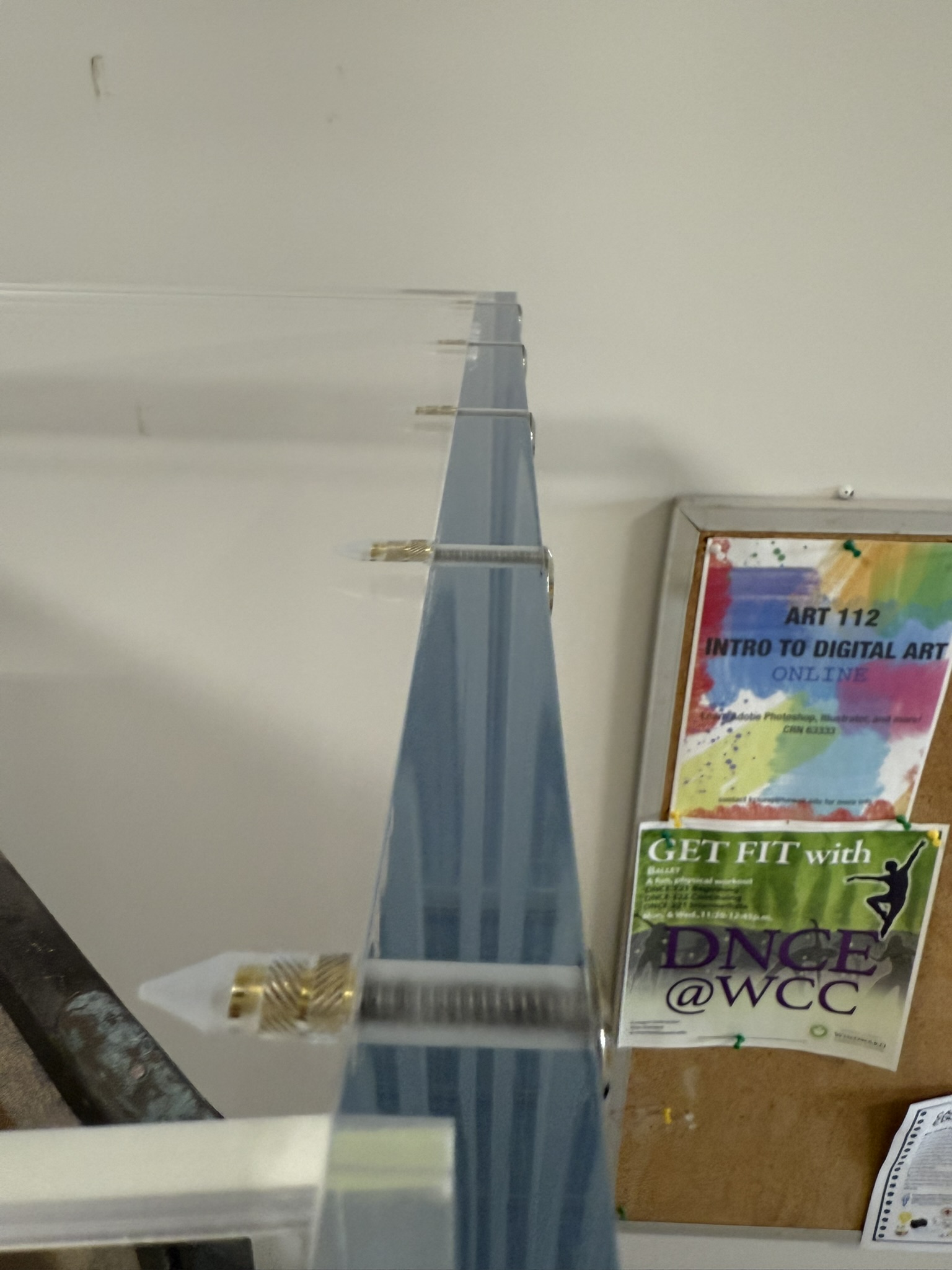
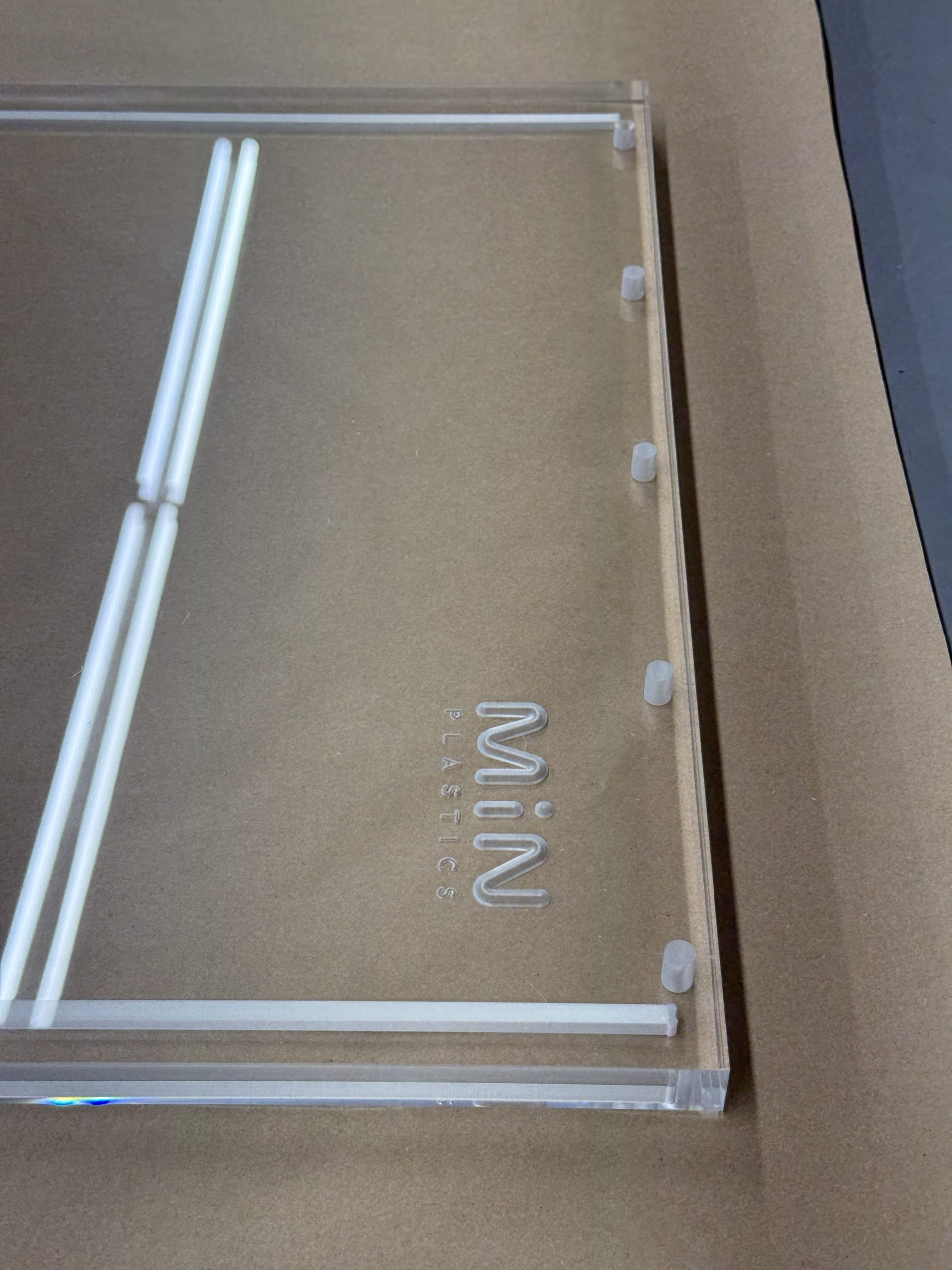
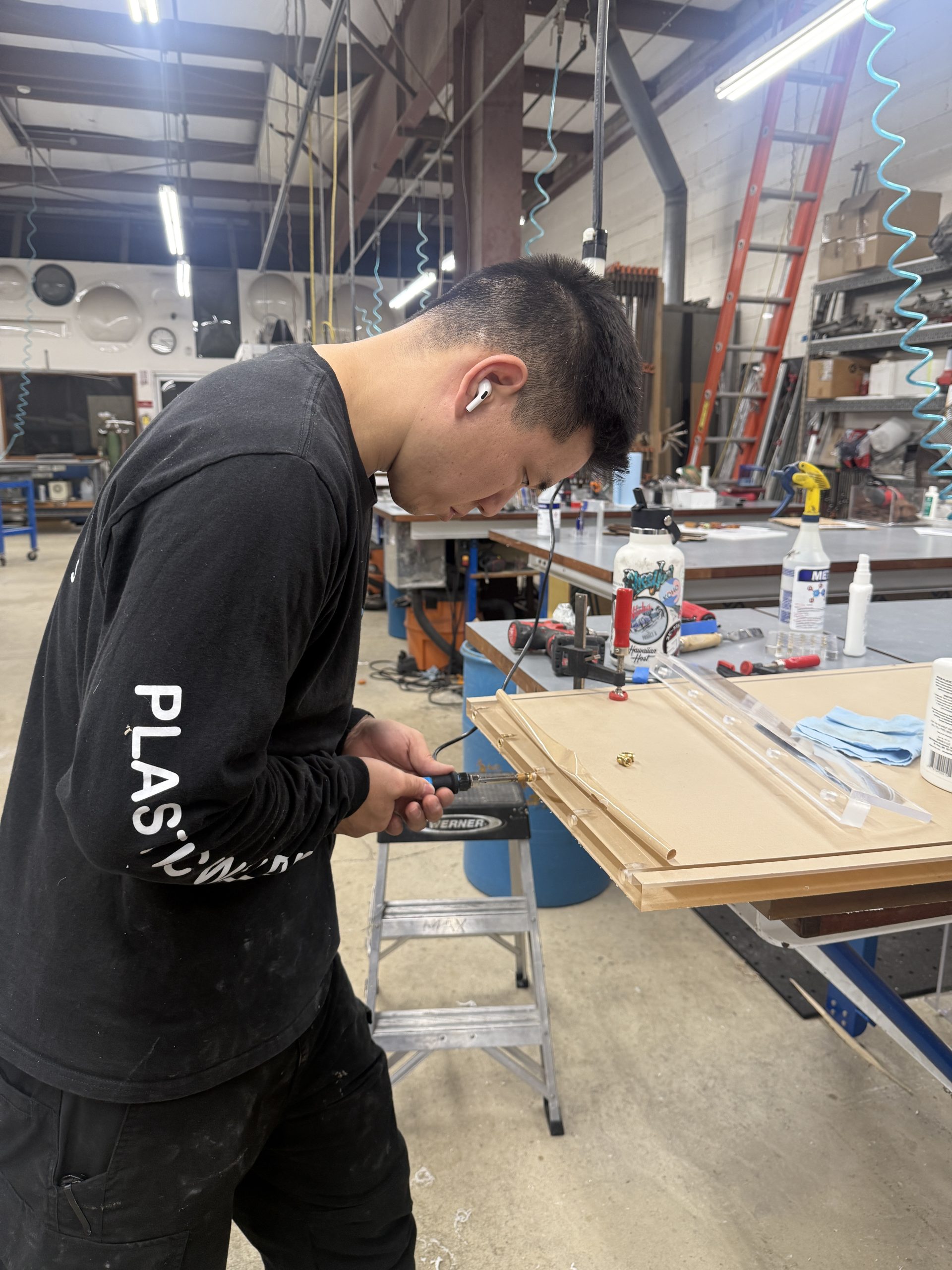
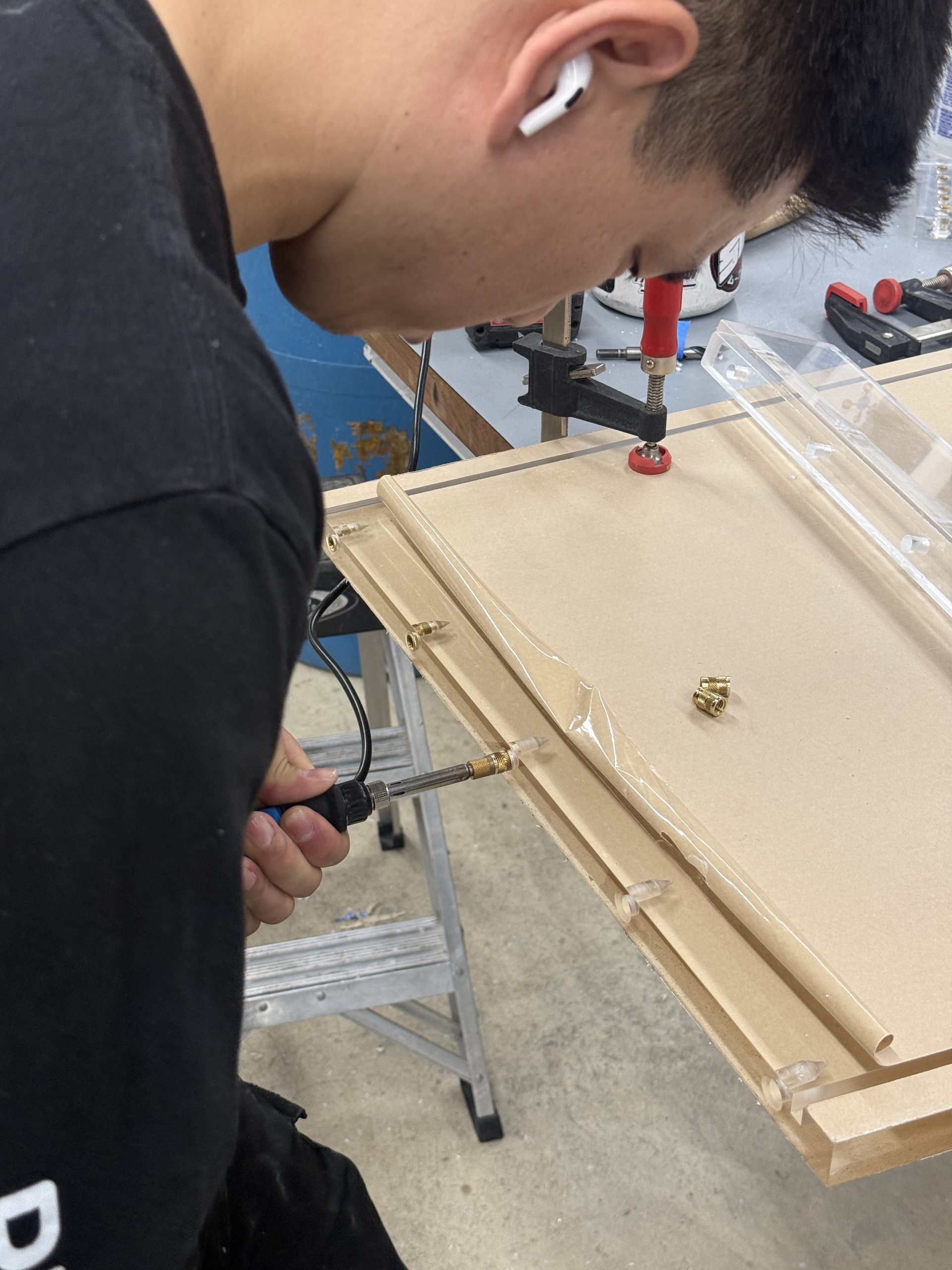
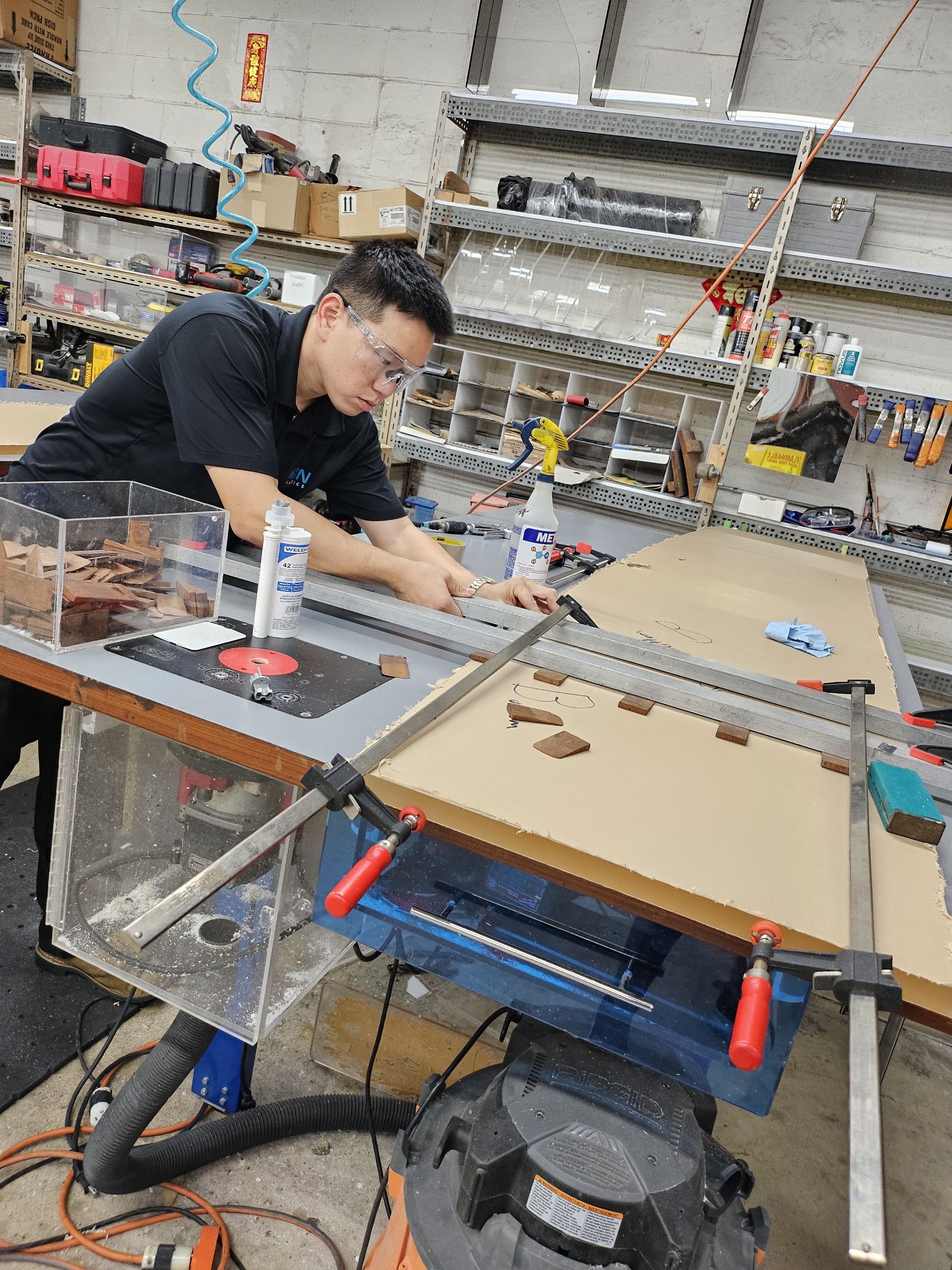
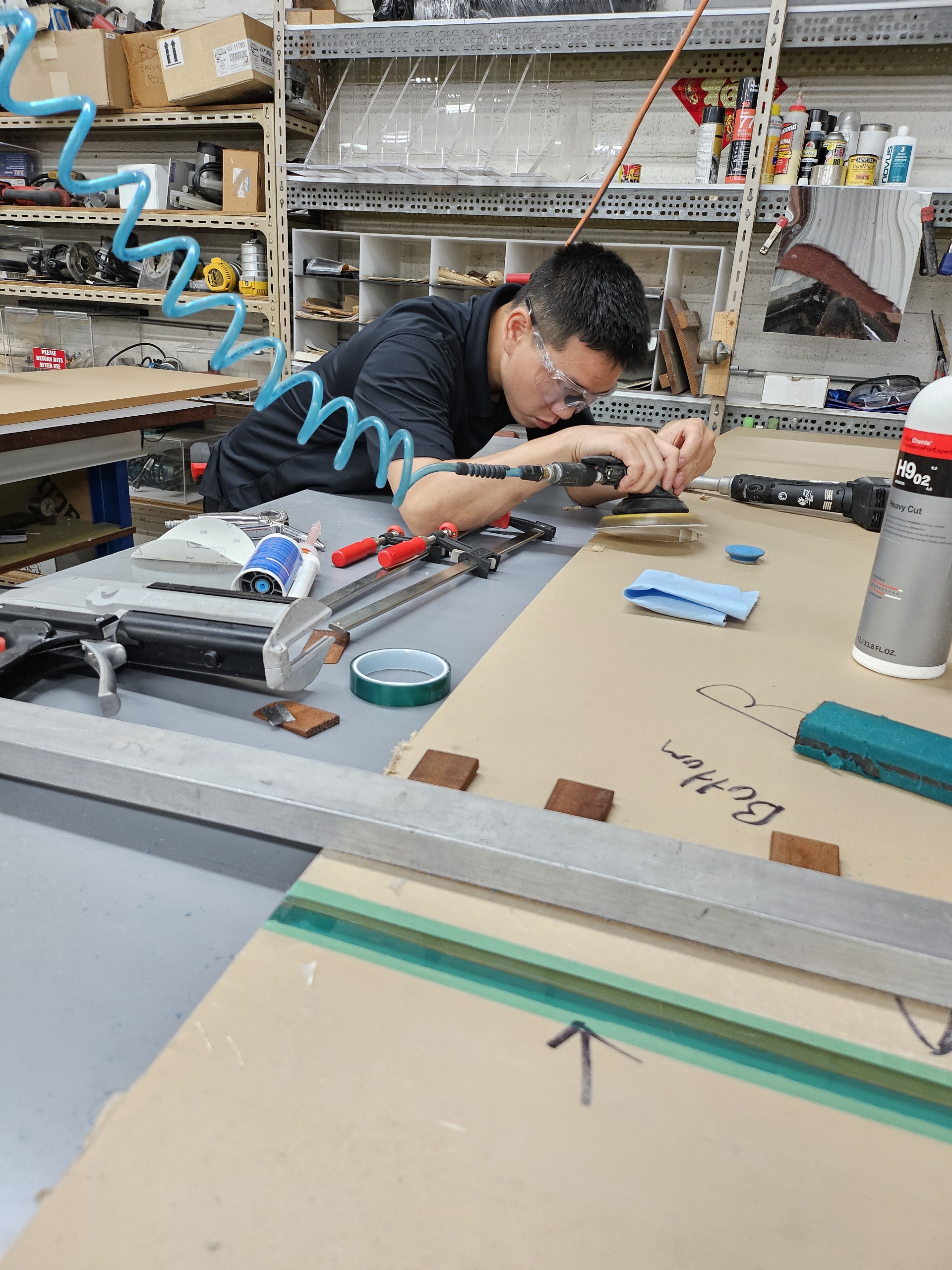
The primary structural frame—including the base, sides, and top—was fabricated from 1-inch-thick acrylic. Precision-machined grooves were incorporated into the frame to securely capture the front panel, eliminating the need for visible hardware or cemented joints at the face. Because 1-inch acrylic sheets are not available in 10-foot lengths, the top and bottom frame members were seamed to extend from 8 feet to 10 feet, allowing the case to match the full span of the front panel.
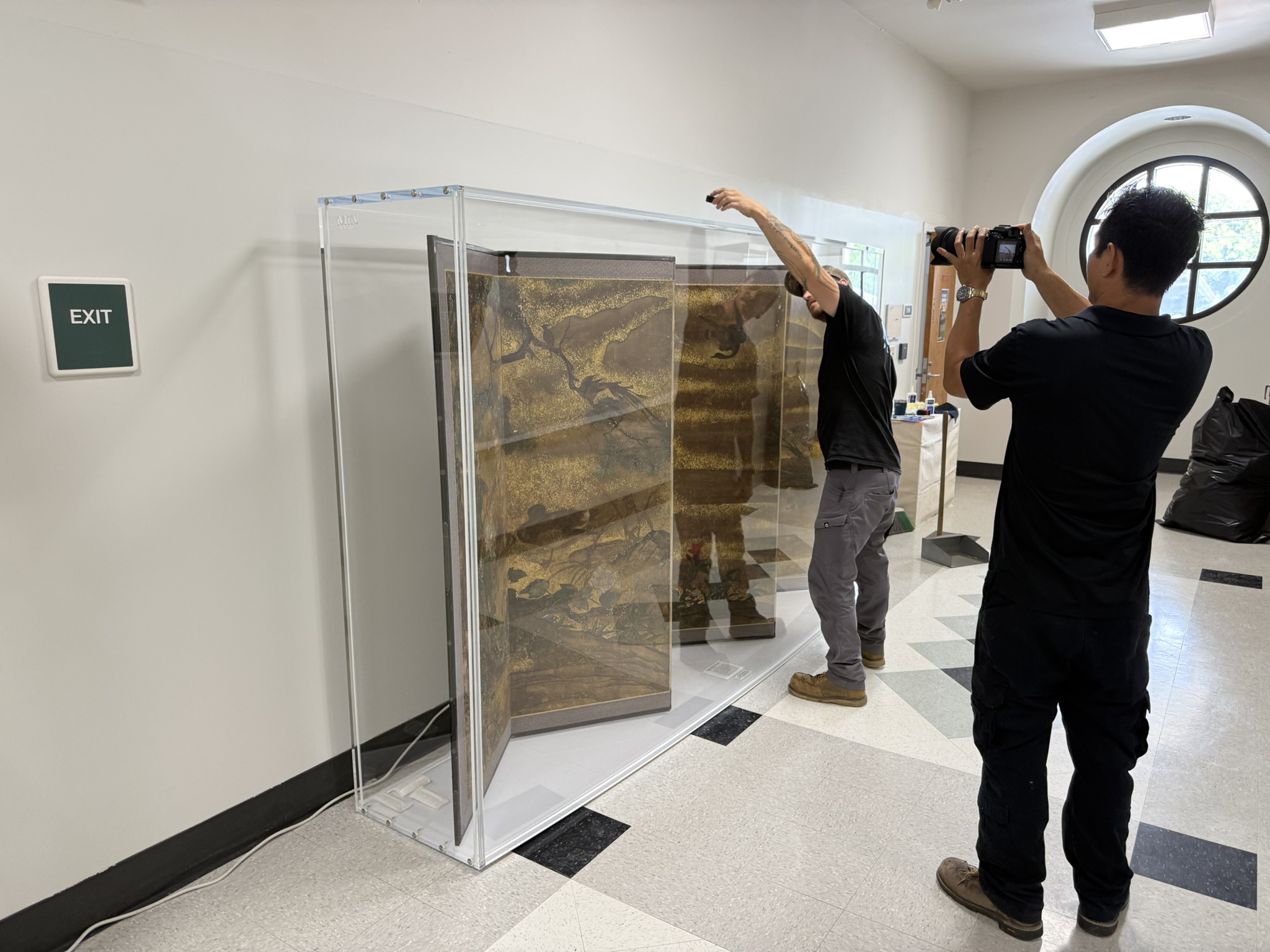
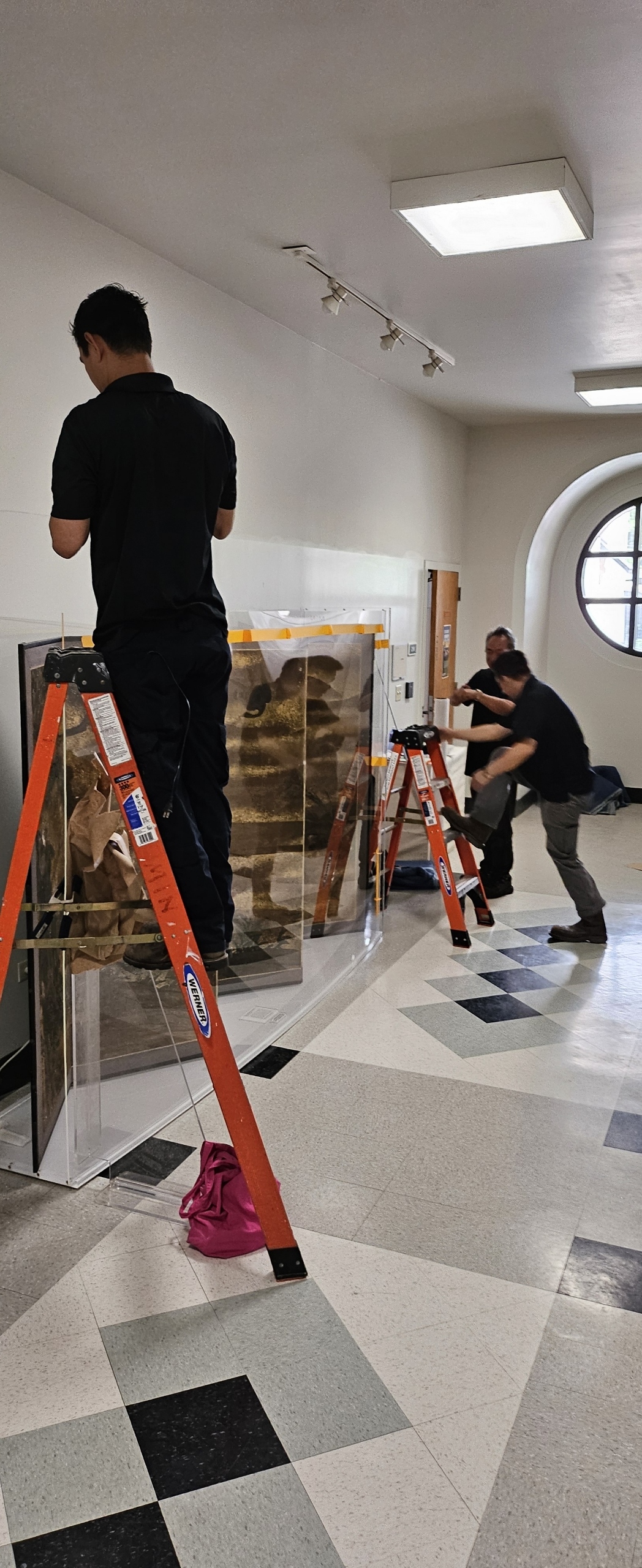
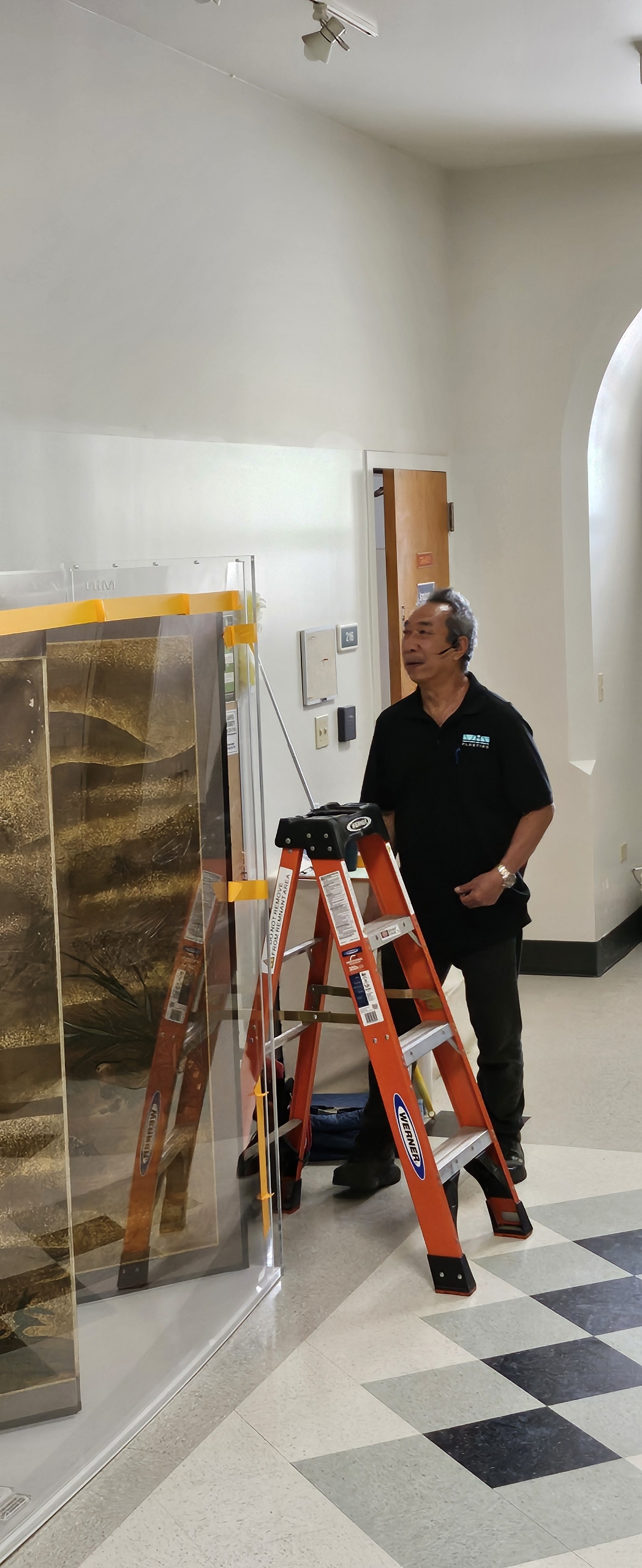
Due to the size of the case and its installation on the second floor, the entire assembly was designed in a modular format, enabling the components to be transported through hallways and assembled on site in their final location.
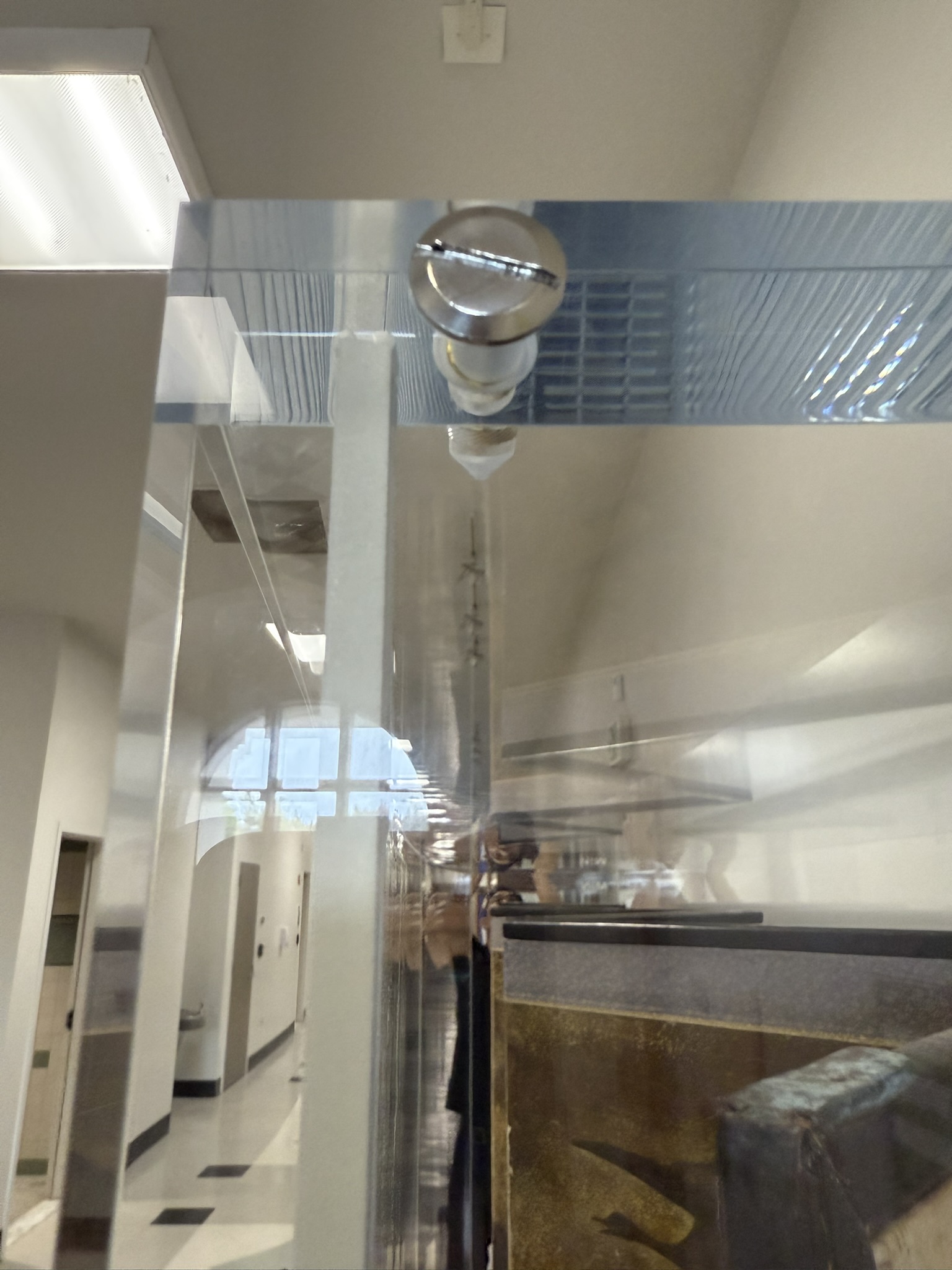
The interior of the case was intentionally designed with no internal supports, shelving, or divisions, providing a completely unobstructed six-sided enclosure to properly display the folding screen. To support long-term preservation, the side panels were mechanically fastened, allowing the case to be periodically serviced for humidity control and pest management.
Why it worked:
Freestanding design met strict building and display constraints
Arched front panel increased rigidity without visual obstruction
Precision-machined grooves eliminated visible hardware at the face
Modular construction enabled second-floor installation
Serviceable panels supported ongoing artifact preservation
Fully unobstructed interior preserved the integrity of the folding screen
The completed case provides a stable, secure, and visually clean presentation for a historically significant artifact within a challenging architectural environment.
Need a freestanding or modular display solution for a sensitive or oversized artifact? Contact us to discuss your project.
Copyright © 2025 Min Plastics | Serving Hawaii and the Pacific Since 1950